

Contact
Mr. Liu: 13396011968
Ms. Xie: 18007226628
Address: No. 3, Development Avenue, New Materials Industrial Park, High-tech Zone, Xiliuhe Town, Xiantao City, Hubei Province

Precautions for using platinum crucible
Published: 2020-09-18
Platinum is also known as white gold. Its price is higher than that of gold. Due to its many excellent properties, it is frequently used. The melting point of platinum is as high as 1774℃. It has stable chemical properties and does not undergo chemical changes when burned in air, nor does it absorb moisture. Most chemical reagents have no erosive effect on it.
1. Characteristics:
The ability to resist corrosion by hydrofluoric acid and molten alkali metal carbonates is an important property that distinguishes platinum from glass and porcelain. Therefore, it is often used for precipitation combustion weighing, hydrofluoric acid melting samples, and carbonate melting treatment. Platinum has a slight volatility at high temperatures, and its consumption should be corrected after a long period of heating. A 100 cm² area of platinum will lose about 1 mg after being heated at 1200℃ for 1 hour. Platinum does not volatilize significantly below 900℃.
2. The use of platinum vessels should follow the following rules:
(1) Strict systems should be established for the collection, use, consumption, and recycling of platinum.
(2) Platinum is soft in texture, even alloys containing a small amount of rhodium or iridium are also soft. Therefore, when handling platinum vessels, do not apply too much force to avoid deformation. When removing the fused block, do not use sharp objects such as glass rods to scrape from the platinum vessel to avoid damaging the inner wall; nor should hot platinum vessels be suddenly placed in cold water to avoid cracking. Deformed platinum crucibles or vessels can be corrected with water molds of the same shape (but the brittle carbonized platinum parts should be corrected evenly and forcefully).
(3) When heating platinum vessels, they should not come into contact with any other metals because platinum is prone to forming alloys with other metals at high temperatures. Therefore, platinum crucibles must be heated on platinum tripods or supports made of ceramic, clay, or quartz, or on an electric heating plate or electric furnace with a layer of asbestos board, but not directly on iron plates or electric wire. The crucible tongs used should have platinum heads, and nickel or stainless steel tongs can only be used at low temperatures.
3. Cleaning methods for platinum vessels:
If there are stains on the platinum vessel, it can be treated first with hydrochloric acid or nitric acid alone. If ineffective, potassium permanganate can be used to melt in the platinum vessel at a lower temperature for 5 to 10 minutes. After pouring off the melted substance, the platinum vessel should be immersed in a hydrochloric acid solution for boiling. If still ineffective, sodium carbonate melting treatment can be tried, or gentle rubbing with damp fine sand (through a 100-mesh sieve, i.e., 0.14 mm sieve hole) can be used.
- Previous: Infrared film p...
- Back
-
Next: Common film str...
-
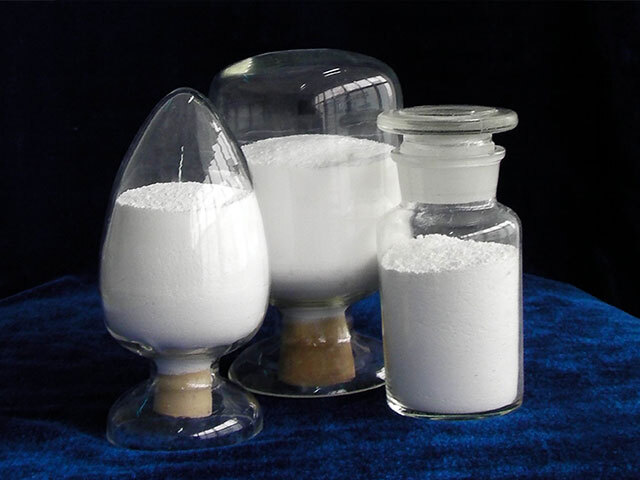
High-purity, electronic-grade, nanoscale barium carbonate
Barium carbonate
CAS:513-77-9
-
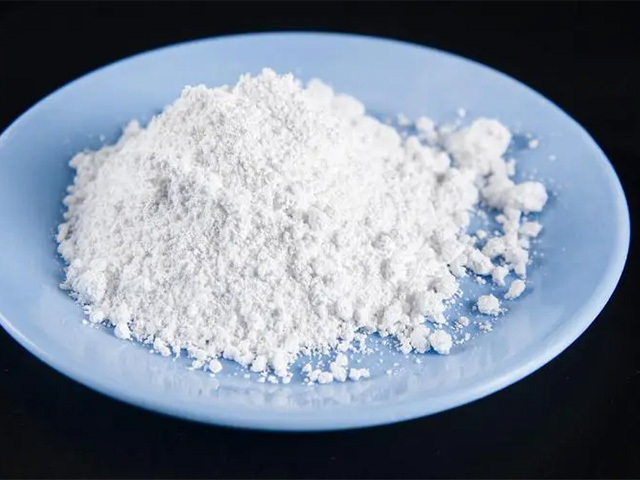
High-purity, electronic-grade, nanoscale strontium carbonate
Strontium carbonate,nanometre
CAS:1633-05-2;1633-55-2
-
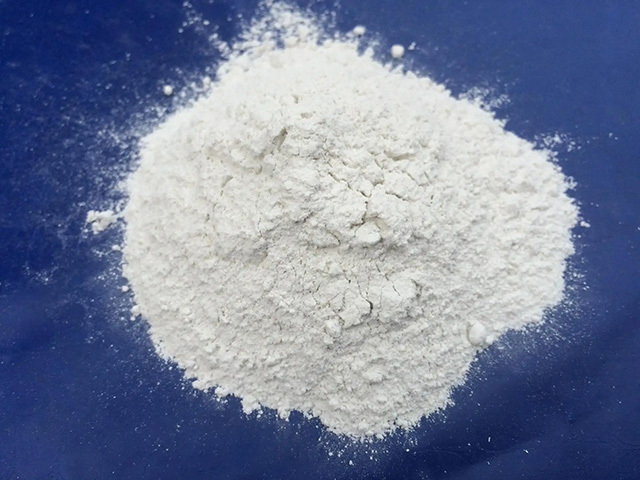
High-purity, electronic-grade, nanoscale calcium carbonate
Calcium carbonate
CAS:471-34-1
-
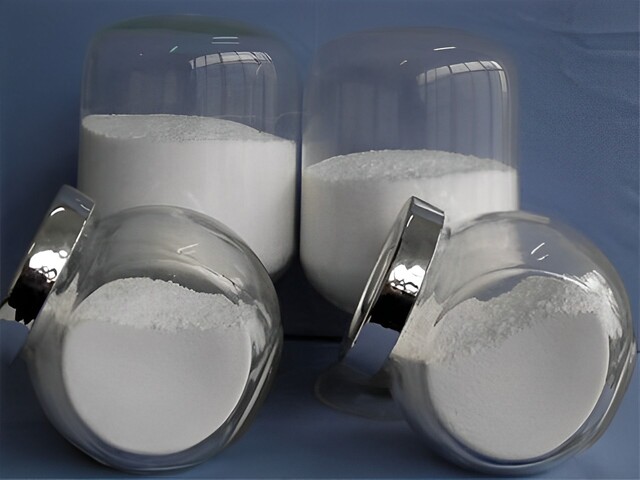
High-purity, electronic-grade, nanoscale titanium dioxide
Titanium(IV) oxide
CAS:13463-67-7
Contact Us

Mr. Liu: 13396011968
Ms. Xie: 18007226628
Address: No. 3, Development Avenue, New Materials Industrial Park, High-tech Zone, Xiliuhe Town, Xiantao City, Hubei Province
Email: lhx@hbzptech.com
Website: www.hbzptech.com
Product Center
High-purity, electronic-grade, nanoscale barium carbonate
High-purity, electronic-grade, nanoscale strontium carbonate
High-purity, electronic-grade, nanoscale calcium carbonate
High-purity, electronic-grade, nanoscale titanium dioxide
High-purity strontium chloride
Copyright(C)2026, Hubei Zhanpeng Electronic Materials Co., Ltd. All Rights Reserved. Supported by ChemNet ChinaChemNet Toocle 31fabu Copyright Notice ICP: 鄂ICP备80000212号-1