

Contact
Mr. Liu: 13396011968
Ms. Xie: 18007226628
Address: No. 3, Development Avenue, New Materials Industrial Park, High-tech Zone, Xiliuhe Town, Xiantao City, Hubei Province

Infrared film preparation technology for optical films
Published: 2020-09-18
Chemical Vapor Deposition Technology
Chemical Vapor Deposition is a thermal chemical reaction process that involves gaseous chemical reactions on the surface of a substrate under specific temperatures and with specially treated materials (including hard alloys and tool steel). CVD technology is often classified by reaction type or pressure, including Low Pressure CVD (LPCVD), Atmospheric Pressure CVD (APCVD), Plasma Enhanced CVD (PECVD), as well as Hot-Filament CVD and Laser-Induced CVD, among others.
Plasma-assisted Chemical Vapor Deposition is one of the main methods for preparing ultra-hard films. It combines the advantages of physical vapor deposition and traditional chemical vapor deposition, enabling film deposition at lower temperatures and being suitable for coating the inner surfaces of complex-shaped workpieces, serving as an effective way to improve the wear resistance and high-temperature oxidation resistance of workpiece surfaces.
Physical Vapor Deposition Technology
Physical Vapor Deposition utilizes certain vacuum physical processes, such as evaporation or sputtering, to achieve the transfer of substances, that is, atoms or molecules are transferred from the source to the substrate surface and deposited as a film.
It is an environmentally friendly surface treatment method that can truly obtain nanometer to micrometer-sized films without pollution. It can enhance surface strength, improve corrosion resistance and friction and wear resistance without affecting the size of the substrate.
The film layers prepared by Physical Vapor Deposition (PVD) coating technology have characteristics such as high hardness, high wear resistance (low friction coefficient), excellent corrosion resistance and chemical stability, and can also improve the appearance decoration of the workpiece. It can prepare various single-metal films (such as aluminum, chromium, chrome oxide, etc.), as well as nitride films TiN (chromium), ZrN (zirconium), CrN, TiAlN and carbide films (TiN, TiCN), and oxide films (TiO) and other ceramic films.
Cathode Arc Technology
Cathode Arc Technology utilizes arc discharge in a vacuum environment to vaporize, ionize the solid cathode target material and deposit it onto the anode substrate surface as a film. The cathode arc is a typical high current (up to several hundred amperes) arc because of this, it has an extremely high deposition rate, thereby significantly improving the microstructure and mechanical properties of the film. Due to the intense evaporation process of the cathode arc, more harmful particles are produced during the cathode arc evaporation process, which limits the application of cathode arc technology in situations requiring high-quality surfaces.
Magnetron Sputtering Technology
Magnetron Sputtering Technology is a relatively mature technology widely used in functional and decorative coating fields. In the vacuum magnetron sputtering process, ions collide with the cathode, causing the target material to be sputtered out with particles of 4 to 6 eV, and the ionization rate is around 10%.
- Previous: Preparation met...
- Back
-
Next: Precautions for...
-
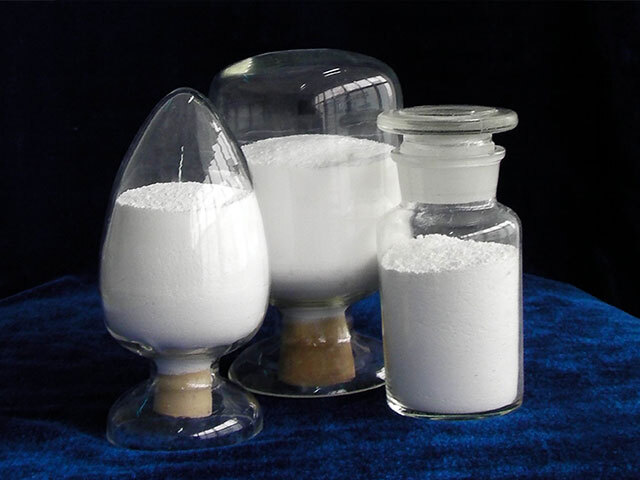
High-purity, electronic-grade, nanoscale barium carbonate
Barium carbonate
CAS:513-77-9
-
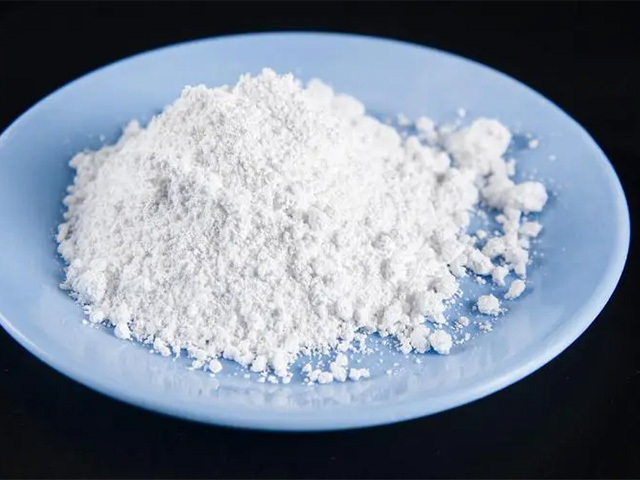
High-purity, electronic-grade, nanoscale strontium carbonate
Strontium carbonate,nanometre
CAS:1633-05-2;1633-55-2
-
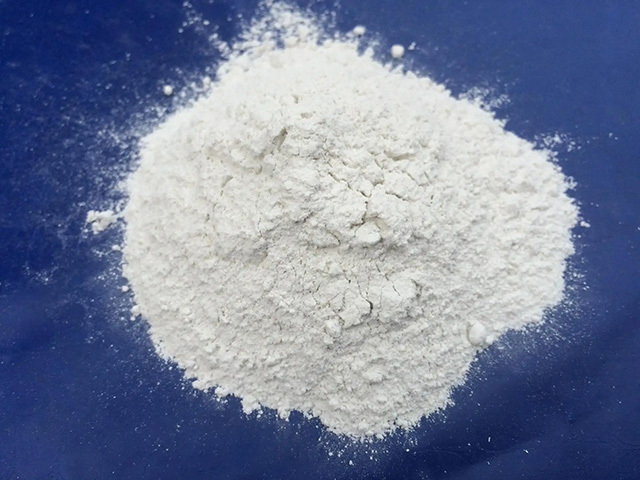
High-purity, electronic-grade, nanoscale calcium carbonate
Calcium carbonate
CAS:471-34-1
-
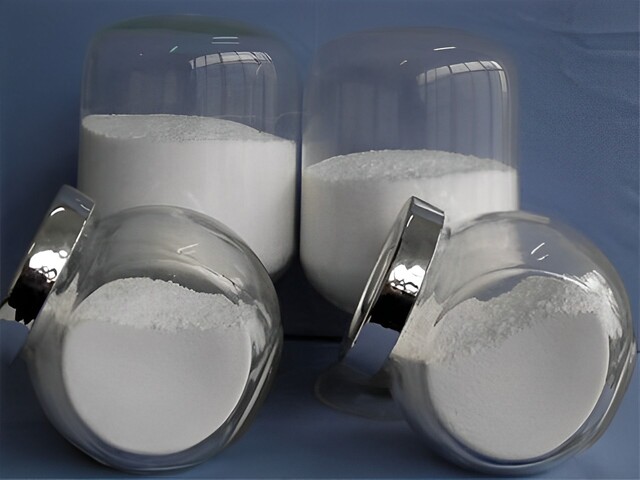
High-purity, electronic-grade, nanoscale titanium dioxide
Titanium(IV) oxide
CAS:13463-67-7
Contact Us

Mr. Liu: 13396011968
Ms. Xie: 18007226628
Address: No. 3, Development Avenue, New Materials Industrial Park, High-tech Zone, Xiliuhe Town, Xiantao City, Hubei Province
Email: lhx@hbzptech.com
Website: www.hbzptech.com
Product Center
High-purity, electronic-grade, nanoscale barium carbonate
High-purity, electronic-grade, nanoscale strontium carbonate
High-purity, electronic-grade, nanoscale calcium carbonate
High-purity, electronic-grade, nanoscale titanium dioxide
High-purity strontium chloride
Copyright(C)2026, Hubei Zhanpeng Electronic Materials Co., Ltd. All Rights Reserved. Supported by ChemNet ChinaChemNet Toocle 31fabu Copyright Notice ICP: 鄂ICP备80000212号-1